

The Blog
Practical writing on AI adoption, engineering leadership and building software teams that deliver.
Get new articles by email
Practical notes on engineering leadership, AI adoption and technology spend. No spam, unsubscribe any time.

Agentic Workflows Make It Easier to Collect Monkeys
The monkey is the next move on a problem. A report comes to you with a problem, you say some version of "let me think about it and get back to you", and the monkey jumps from their back to yours. Now they are waiting on you. Do that a dozen times a week and you become the bottleneck for your own team, working late on everyone else's next move while they sit and wait.

Is Your Job Safe in the Age of AI?
As AI continues to take on more tasks traditionally done by humans, many are questioning the security of their jobs. Here's what you need to know.
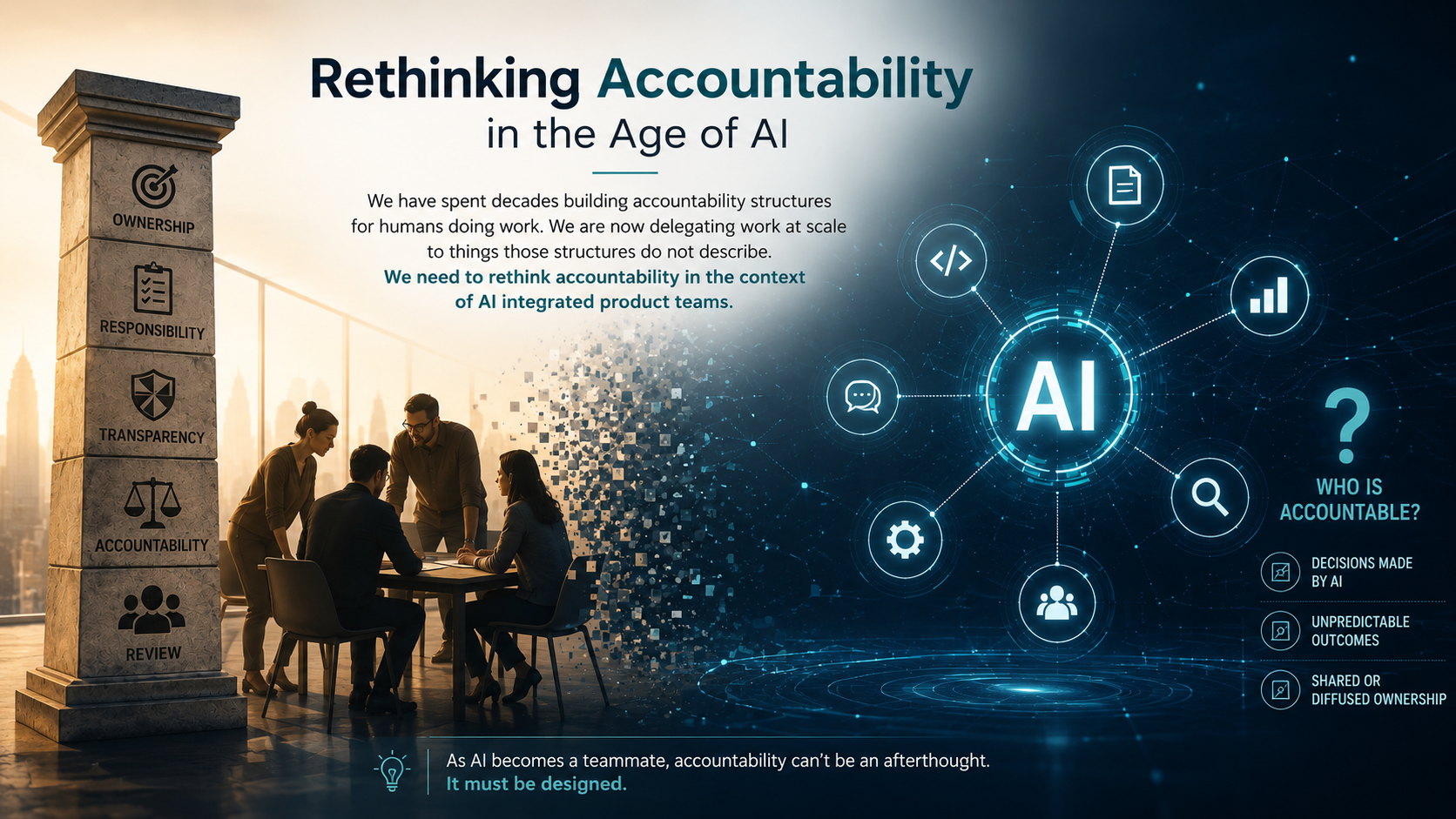
Accountability in AI integrated Product Teams
We have spent decades building accountability structures for humans doing work. We are now delegating work at scale to things those structures do not describe. We need to rethink accountability in the context of AI integrated product teams.
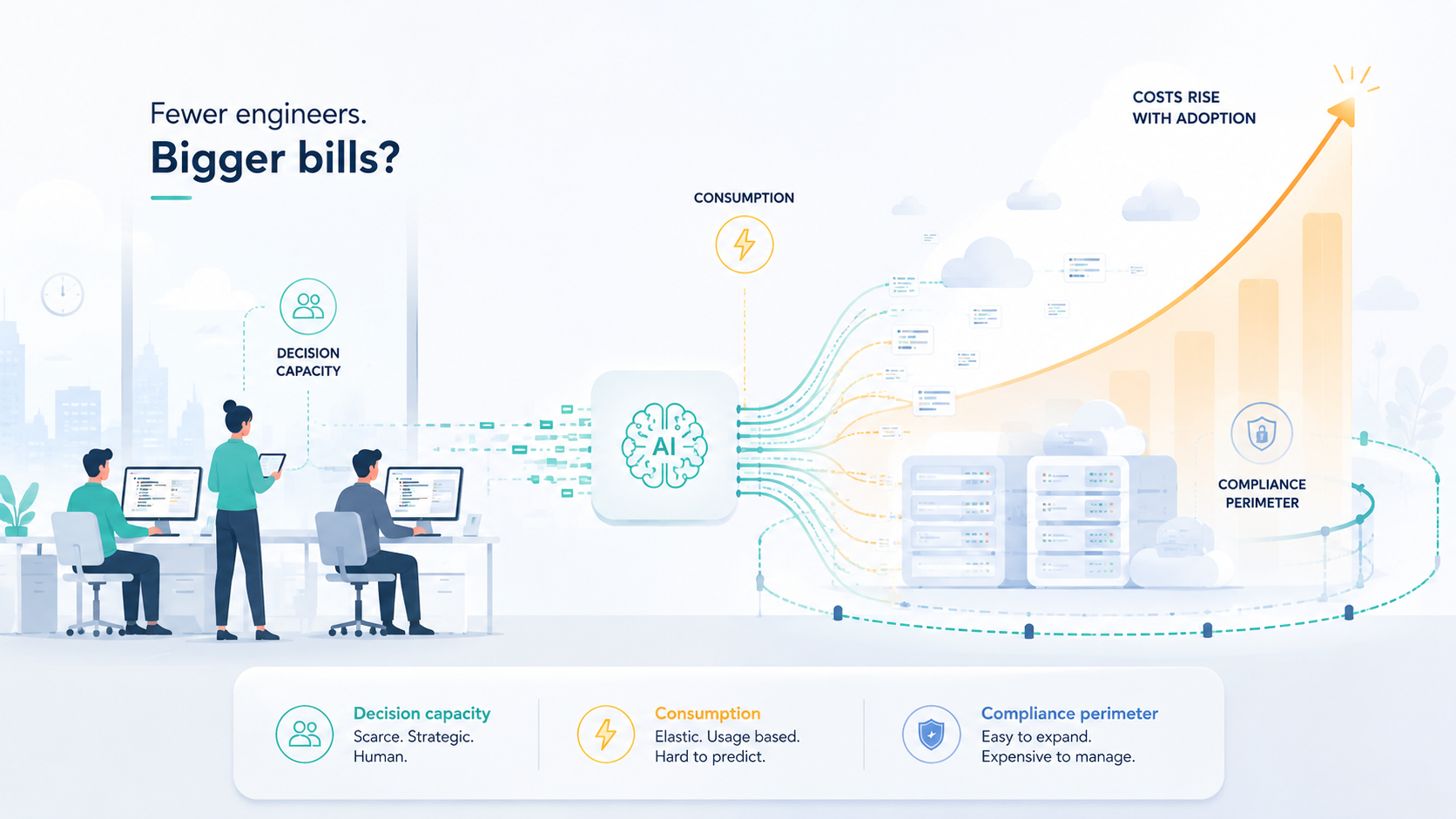
If AI Writes Your Code, What Exactly Are You Paying Engineers For?
If you cut engineering headcount this year because AI writes the code now, there's a chance you cut the only part that was still expensive.
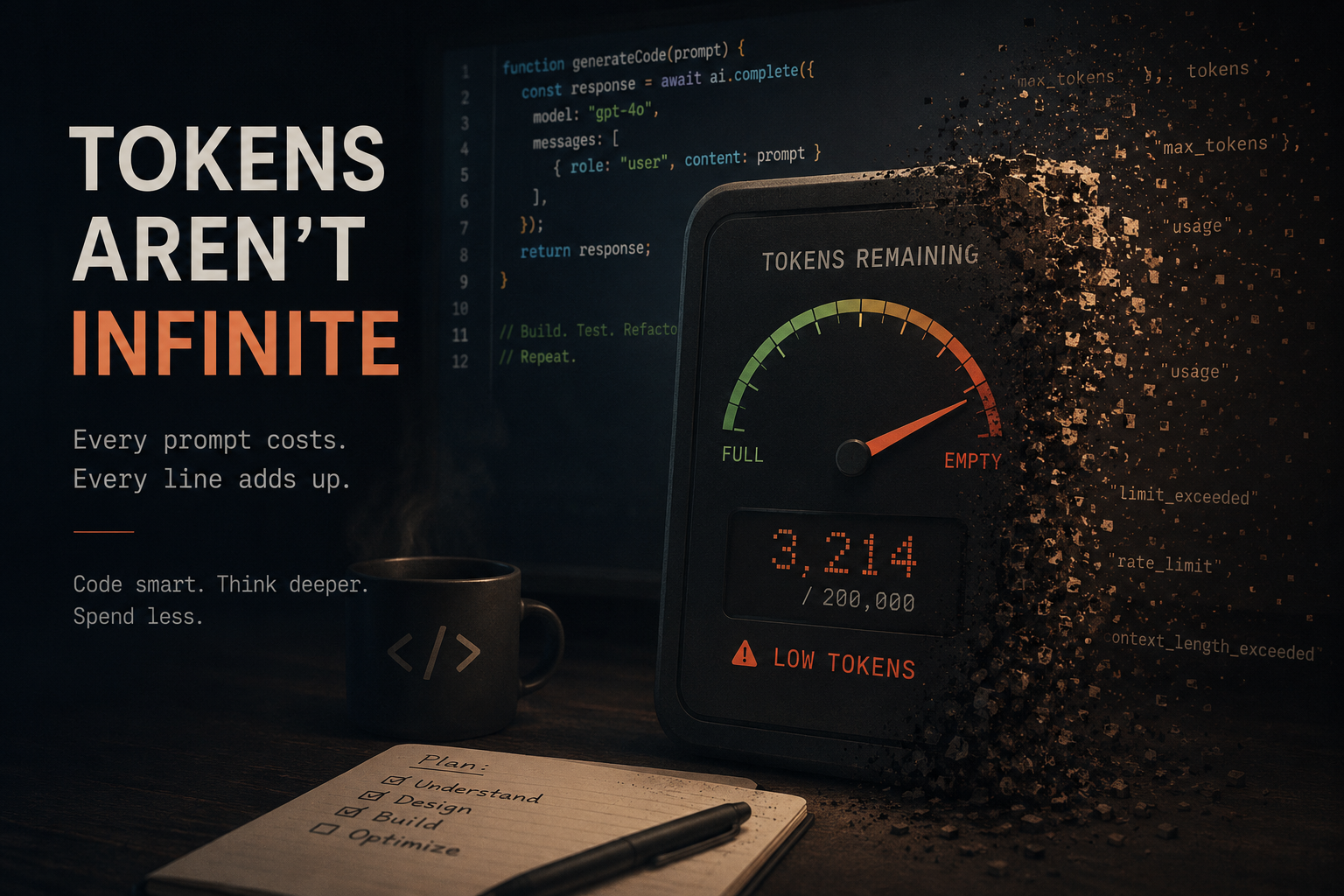
Co-Pilot Billing Changes and Cost Optimization
Co-Pilot Billing Changes and Cost Optimization
Fintech Realtime Systems: Building for Resilience and Performance
Fintech Realtime Systems: Building for Resilience and Performance
Building Engineering Teams That Outlast Their Members (UAE)
Building engineering teams that outlast their members is crucial for long-term success. In the UAE's dynamic tech landscape, fostering a culture of knowledge sharing, mentorship, and continuous learning can help create resilient teams that thrive even as individual members come and go.
Cognitive Atrophy: The Hidden Cost of AI in Engineering Teams
AI tools delivered real velocity gains but, behind the sprint charts, something quieter was happening. Developers stopped proofreading their own code, stopped reading the codebase, and reached for AI to rename a variable. The habits that make engineers exceptional were eroding faster than the credits were burning.

Getting started with AI: Building the foundation
In this part, we delve into the foundational aspects of AI, exploring the key concepts and frameworks necessary for effective implementation.

Getting started with AI: Understanding the problem
Understanding the Real Cost of AI FOMO: In their fear of missing out, organizations are actually missing the point entirely. AI is not a checkbox to tick or a badge to slap on your product. It's a tool that when applied thoughtfully, can genuinely transform businesses. But transformation requires strategic intent, not reaction.

Communication Kryptonite: What Weakens Even the Strongest Engineering Teams
Poor communication compounds quickly. What starts as a simple knowledge bottleneck eventually cascades into systemic dysfunction: teams can't make decisions without specific people present, critical context gets lost in private conversations, and important updates drown in notification noise.

When Analytics Fails, Culture Is Often the Culprit: A $200K Lesson
How organizational culture turned a capable analytics team into silent observers, allowing fraudsters to steal $200K over two weeks. A case study in why the best tools fail when teams are afraid to act.

Making it your own! Building a Practical Performance Tracking System for SDLC
In this final part of the series, we’ll walk through how to build a practical performance tracking system that’s grounded in business goals, inclusive of cross-functional collaboration, and sensitive to the realities of modern software teams.

Aligning Business Vision & Goals to Define a Strategy for Performance-Based SDLC
The modern software industry is undergoing a fundamental transformation due to AI, market shifts, and rapid technological advancements. To stay competitive, software organisations need structured frameworks that align software development lifecycles (SDLC) with business vision and goals. This alignment ensures that engineering teams are not just writing code but contributing directly to financial, innovation, and cultural objectives.

Understanding the Current Landscape: The Impact of AI on the Software Industry
As AI reshapes software development, organizations are faced with both opportunities and challenges. A performance-driven SDLC provides a data-driven framework to objectively evaluate developer contributions, ensuring that companies retain the right people—those who drive innovation and efficiency
Premium Content
Sign in to access our premium articles and exclusive content.